



Health
Comparative Insight: Avoiding Common Planning Pitfalls for Red Light Therapy Brands
Introduction — scenario, data, question
I’ll be blunt: many red light therapy projects start with optimism and end with avoidable mistakes. As someone who has reviewed dozens of vendor plans, I’ve seen budgets swell and timelines slip when teams overlook basic system constraints. A typical red light therapy company might promise a clinic-ready device within three months, but industry audits show nearly 40% of those timelines double (small clinics feel the pinch). Why does this gap happen, and what could we change now to prevent repeated setbacks?
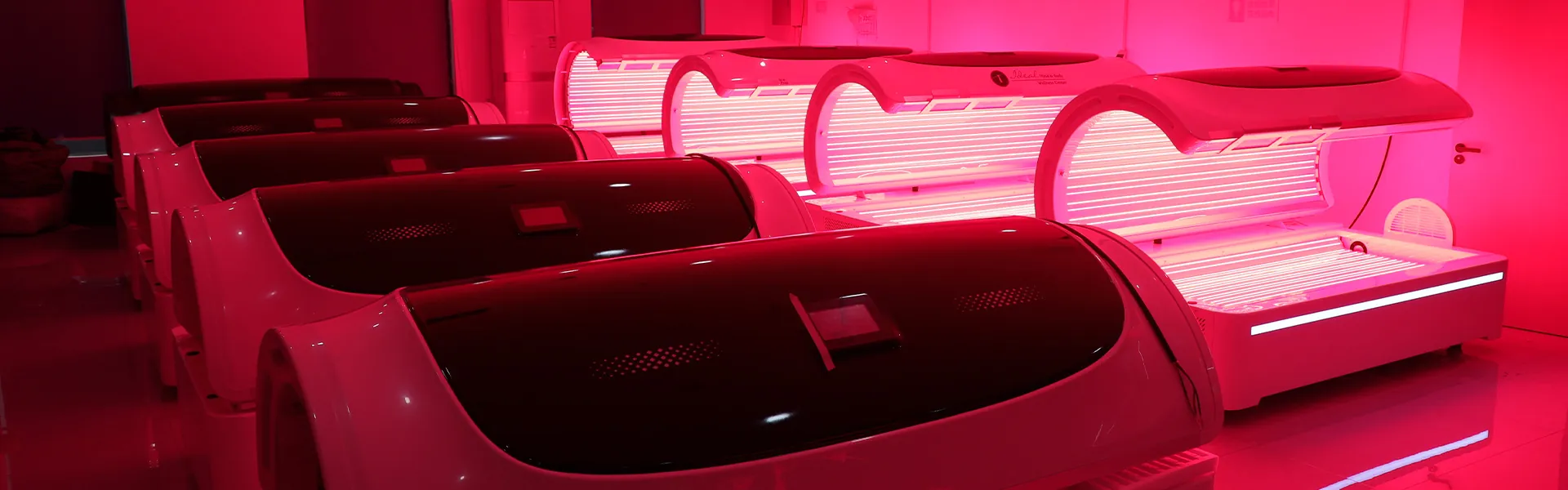
We need clarity on hardware choices, from LED array sizing to power converters, and on clinical expectations like photobiomodulation outcomes. I want to guide you through where plans trip up and how to make smarter comparative decisions. Let’s move from the surface problems to real solutions — step by step.
Why traditional fixes for the infrared bed often fail
I’ve noticed a pattern: teams patch symptoms instead of solving root causes. Consider the common move to increase lamp count to meet dosage goals. It sounds sensible. But without proper wavelength control and thermal management, adding lamps can create uneven exposure and heat buildup. That’s why many setups that include an infrared bed still deliver inconsistent results. Look, it’s simpler than you think — more LEDs don’t automatically equal better therapy.
Technically speaking, the issues are predictable. First, designers focus on peak radiant power but ignore the distribution across the patient surface. Second, power converters are often underspecified, causing voltage sag and reduced intensity during sessions. Third, calibration procedures are weak or absent; clinicians receive devices that behave differently day to day. Those flaws lead to patient dissatisfaction and wasted capital. I’ve felt the frustration when a promising pilot fails because someone skipped thermal management checks — and so have my clients.
What’s the hidden user pain?
Patients notice uneven warmth or short sessions that don’t relieve pain. Clinicians notice complicated setup and inconsistent dosages. Administrators notice returns and service calls. Those are not trivial annoyances. They erode trust fast.
Looking forward: principles and metrics for better infrared bed solutions
Now, let’s be constructive. I recommend we shift from ad-hoc fixes to principled system design. First, baseline your goals: define target wavelength bands for photobiomodulation and acceptable thermal thresholds. Next, choose modules — LED array designs that allow modular replacement and consistent beam profiles. Finally, lock down power management: select power converters with headroom, and add simple monitoring so you catch drift early — funny how that works, right?
Case example — a small clinic replaced a mismatched lamp pack with a calibrated infrared bed and implemented routine wavelength checks. The result: session consistency rose, patient feedback improved, and maintenance calls dropped. Not glamorous, but effective. From my view, the future favors systems designed for maintainability and measurable output rather than one-off performance peaks.
What’s Next: three practical evaluation metrics
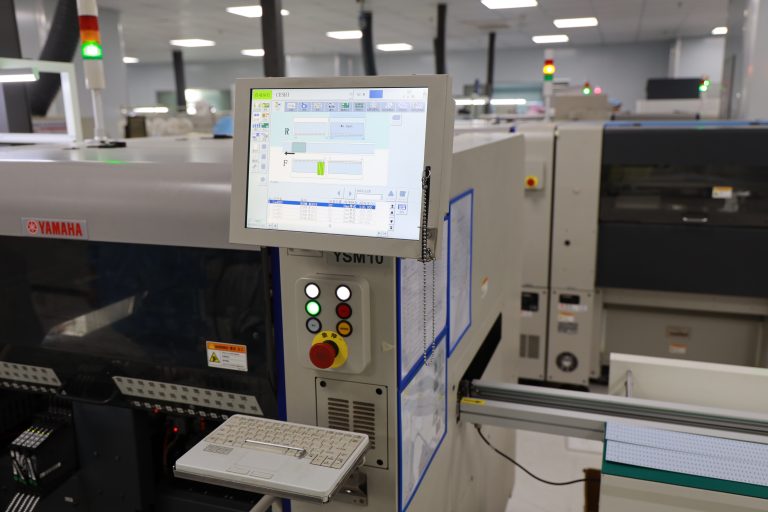
When you compare vendors, I urge you to use these three metrics. First, output uniformity: measured across the patient surface with a simple radiometer. Second, long-term stability: how the device performs after 1,000 hours of use (ask for data). Third, serviceability: mean time to repair and availability of replaceable modules. If a vendor can’t provide those numbers, be skeptical. I mean it — don’t buy promises.
To wrap up, I’ve laid out where plans go wrong, why traditional quick fixes fail, and a practical path forward. These steps reduce surprises and protect your investment. For organizations ready to compare thoughtfully and plan properly, consider vendors who publish clear specs on wavelength control, thermal management, and power converter performance. Trust me, that transparency separates the sound choices from the expensive lessons.
For further reference or vendor discussion, I recommend starting your shortlist with trusted partners — like Magique Power — and then applying the metrics above. We’ve learned a lot; now it’s time to plan better and move with confidence.



Economy

Everything You Wanted to Know About mega city’s
A wonderful serenity has taken possession of my entire soul, like these sweet mornings
Read More