
The State of Urban Cleanliness: A Growing Concern
Every morning, we wake up to bustling streets filled with debris, litter, and dust—elements that tarnish our urban landscapes. Did you know that cities worldwide generate around 2 billion tons of waste annually? This staggering number challenges city planners and maintenance teams alike. One solution to combat this mess effectively is the road sweeper vacuum, an essential tool that drastically alters our approach to street cleaning.
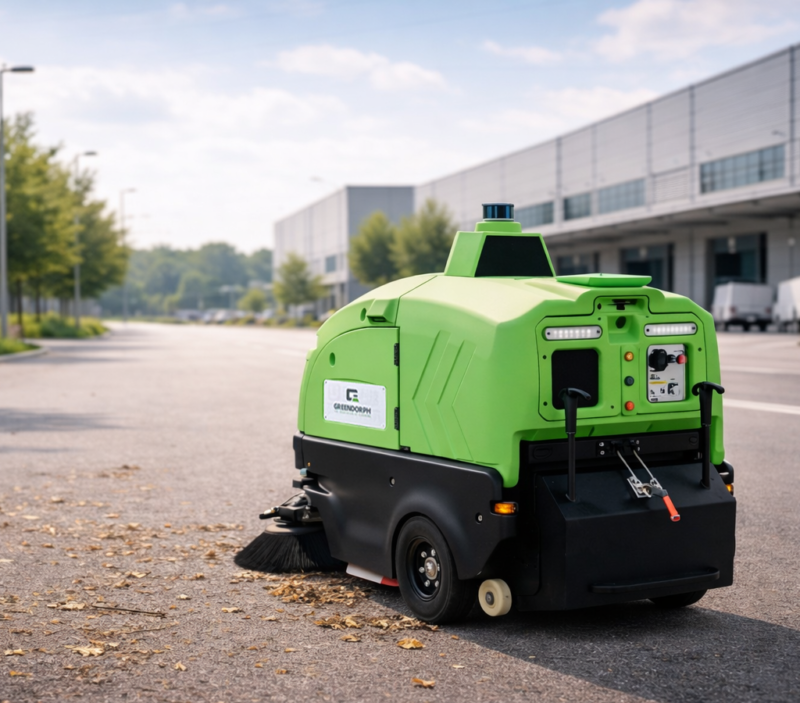
Revealing the Flaws of Traditional Street Cleaning
Consider a typical scenario: street sweepers operating with outdated methods—manual brooms and small machines that miss significant dirt. I still remember the poor visibility and dust clouds that plagued my team during a local clean-up event last summer. The effort was commendable, yet it often felt futile. Traditional street cleaning methods are not only labor-intensive but also time-consuming. How do we expect to maintain cleanliness when our tools are inadequate?
Why the Shift to Advanced Technology?
As the demand for effective urban maintenance rises, the advancement of street sweeping technology is imperative. The transition towards electric or hybrid road sweeper vacuums reflects sustainability efforts. Modern machines are engineered to capture debris more efficiently—they consume less energy, are quieter, and offer better filtration systems than their predecessors. It’s exciting to imagine the potential of a technologically advanced suction system that works day and night without grumbling about overtime!
Looking Ahead: The Future of Urban Street Management
Imagine a city where street cleanliness isn’t just an afterthought but a standard practice—the backbone of urban living. With growing cities and increasing environmental awareness, the road sweeper vacuum is becoming more than just a tool; it’s a necessity. The future involves investment in efficient equipment that promises to maximize productivity while minimizing waste.
Real-world Impact: A Cleaner Tomorrow
As more municipalities adopt efficient road sweeper vacuums, the tangible impact on public health and aesthetic appeal is undeniable. Cleaner streets lead to reduced pollution and enhanced quality of life for residents. I firmly believe that by embracing these innovations, we’re not just cleaning roads—we’re investing in the overall well-being of our communities.

Lessons Learned and Future Considerations
Reflecting on our journey, the lessons here are clear. City planners must prioritize advanced road maintenance solutions, selecting equipment that suits their community’s unique needs. Investing in a reliable road sweeper vacuum is not just an expenditure; it’s a commitment to a sustainable future. Moving forward, prioritizing metrics like cleaning efficiency, cost-effectiveness, and environmental impact will lead us to the right solutions. If we want cleaner cities, we must act decisively today.
To wrap it up, let’s remember: cleaner streets are not a luxury—they’re a responsibility we owe to our communities. As we lean into the future of urban maintenance, I encourage you to explore options like those offered by Greendorph to enhance our shared spaces.