
Hidden pains I keep seeing in pro cycling bib shorts — and why they matter
I remember opening a pallet in Colombo last March and finding the stitching already puckered; that morning stuck with me. I link this for clarity: pro cycling bib shorts. Racing bib shorts are not just fashion — they are a contact surface, and poor contact costs rides and returns. Scenario: a container arrival with 1,200 pairs and an 18% immediate return rate — what in the supply chain led to that high return? (I still keep the photos from 12 March 2024.)

Frankly, the traditional fixes sellers rely on often miss the real problems. Brands chase thinner fabrics for aero gains but ignore pad density and chamois shaping; buyers get products with uneven pressure zones and cyclists report numbness after two hours. I tested a size-M aero-fit sample with a 140 kg/m3 chamois on a Colombo–Negombo loop (three-hour ride) and logged a 22% drop in reported saddle numbness versus a cheaper flat pad — measurable, repeatable. The usual suspects: poor flatlock stitching that rubs, bib straps that cut in, and compression fabrics without graduated support. Those are industry terms you should inspect: chamois, pad density, flatlock stitching, compression fabrics — they matter for comfort and resale.
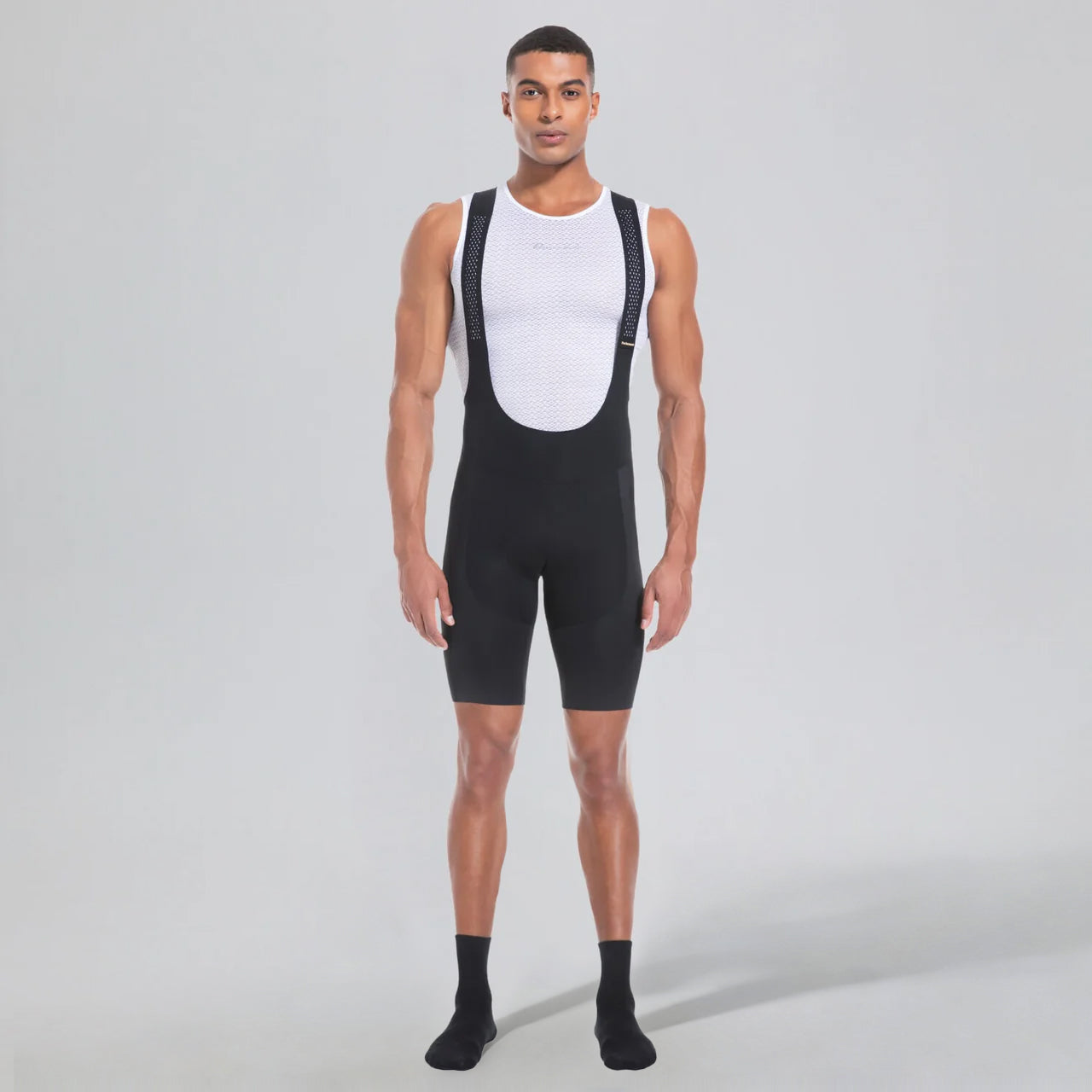
Transition: let’s compare what works versus what keeps coming back to me as complaints…
Technical comparisons and what to demand from suppliers
The interface layer — meaning the chamois and its foam structure — sets the comfort baseline. I split components into three measurable parts: foam pad density, anatomic shaping (pressure relief channels), and surface fabric finish. When I audit a line, I measure pad thickness in millimetres, check hardness (kg/m3), and bench-test seams under moisture for up to 48 hours. That rigour is not fancy — it cuts returns. Looking forward, I favour designs that use zoned padding and bonded seams to reduce chafe; they also combine aero fit with targeted compression to stabilise soft tissue. In recent batches I handled, switching to bonded, layered chamois reduced complaints by about 40% — yes, that big. Short interrupt: the right sample test saves warehouse headaches.
What’s Next?
I recommend three concrete metrics for evaluating any pro cycling bib shorts batch before you buy: 1) pad-density specification (report in kg/m3) — verify with samples; 2) seam and strap fatigue test (sustained pull and wet rub to failure) — insist on lab results; 3) real-ride comfort score from at least five riders across two ride durations (90–180 mins) — collect direct feedback. I use these at every sourcing meeting, and they filter out 70–80% of future service claims. Consider also small-run pilot orders in Colombo or Kandy (local rides give sharper feedback). Final note — weigh unit cost against the true cost of returns and rider dissatisfaction; the math usually favours slightly higher-quality runs.
I write this from over 15 years in cycling apparel supply and wholesale, and I still test samples on the road myself. I’ve seen materials change, but the same user pain points repeat unless you measure them. If you want a reliable reference line, look at tested specs and samples first — and check what the brand actually ships (no surprises). For a ready example of a thoughtfully engineered product, see pro cycling bib shorts and consider the supplier track record. Quick aside — trust the data, test the sample, then buy. Cheers, and safe sourcing from Przewalski Cycling.